Damaged Nails After Removal? Why It Happens and 7 Tips to Repair Them

This post contains affiliate links. I may earn a small commission if you shop through them — at no extra cost to you.
I recently came across a Facebook post where someone shared their nails after removing long acrylics and honestly, I gasped a little. It instantly brought me back to my early nail-tech days when I was practicing practiced with everything: acrylics, dip powder, gel polish, builder gel… I filed too much, removed sets multiple times, experimented with the drill… and eventually destroyed my natural nails.
My nail beds were paper-thin, sensitive, and so weak. Even washing my hands under running water hurt. Every little touch felt sharp, like my fingers were completely naked with zero protection. If you’ve ever felt that, you know exactly how awful it is.
And in winter? The cold air and indoor heating make it even worse, everything feels dry, tight, and extra sensitive.
So in this post, let’s talk about why your nails get so thin after removing acrylics, gel extensions, or builder gel, and the 7 tips that actually help repair them.
Why Are My Nails So Thin After Removing Acrylics or Gel?
If your nails feel soft, bendy, or like they’re peeling in layers, it’s usually caused by one (or a mix) of these reasons:
1. Too Much Filing During Prep
When acrylics or gel extensions are applied, your natural nail should only be lightly filed to remove the shine — not to remove layers of the nail plate.
But when the surface is over-filed (either by a hand file or a drill), your nail loses its natural protective layer. Once that layer is gone, nails become:
- Thin
- Sensitive
- Flimsy
- Prone to breaking
This is the #1 most common cause of thin nails after acrylics or gel.
If you want to learn safe shaping techniques, read: How to Shape Your Nails at Home (Beginner Guide)
2. Improper Removal (Peeling, Pulling, Prying)
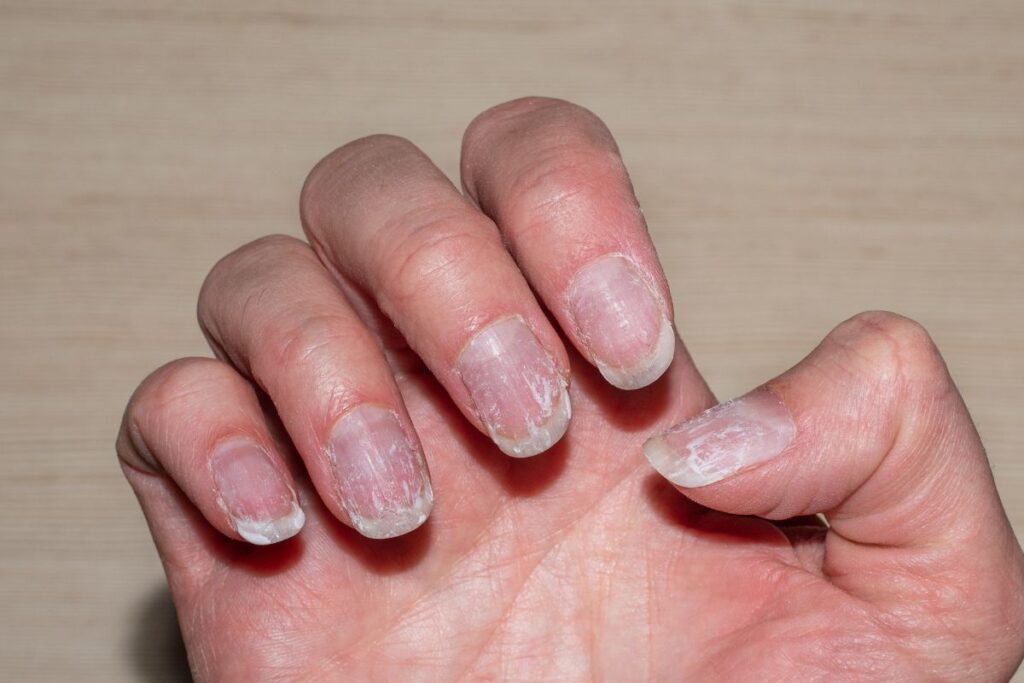
When you first get acrylics, dip powder, or gel extensions, your nails feel thicker and protected because there’s a layer of product sitting on top. But once everything is removed, especially if it’s done incorrectly, that’s when you feel the real pain of having no protection and thin, fragile nails underneath.
Most nail techs are extremely careful with removal, but unfortunately, some aren’t. When the product is filed down too much or the removal process is rushed, it goes too deep into the nail bed and that’s when serious damage happens.
If you:
- Peel off acrylics, dip powder, or gel extensions
- Pop off gel polish
- Rip off lifting edges
- Pry the product off because it’s overgrown
…you’re not removing just the product, you’re ripping off actual layers of your natural nail with it.
Even peeling once can take weeks to recover.
And I know it’s tempting when your nails are grown out and lifting, but peeling will thin your natural nails faster than anything else.
The best thing you can do is book a refill, soak them off properly. Or follow a safe at-home removal method so you don’t damage your nail plate.
3. Overuse of Acetone
Acetone is one of the safest ways to remove gel polish and acrylics, but only when it’s used correctly. Soaking too long, using it too often, or applying heat can leave your nails extremely dry and fragile.
Acetone removes product, but it also strips away natural oils. When your nails lose moisture, you may notice:
- Brittle Nails: They snap because they’ve lost flexibility.
- Flaky, Peeling Tips: Layers start separating from dehydration.
- Sensitive Nail Beds: Even washing your hands can feel sharp.
- Dry Cuticles: Skin feels tight or irritated after soaking.
If your nails were already thin, long acetone soaks make everything worse, especially in winter when the air is dry.
Acetone isn’t the enemy but moderation and aftercare matter. Always follow with cuticle oil and hand cream. My favourite oils: OPI ProSpa!
4. Wearing Extensions for Too Long
Acrylics, dipping powder, and gel extensions are beautiful and long-lasting, but wearing them for too long without a break can slowly weaken your natural nails. When enhancements stay on for several weeks beyond the recommended 2–4 week period, your natural nails underneath can become:
- Dry and Dehydrated: The longer your nails stay sealed under product, the less moisture they receive.
- Overgrown and Unbalanced: As your natural nails grow out, the weight shifts, making them more likely to bend or lift.
- More Prone to Damage: Daily activities put pressure on the extended nail, which transfers stress to your natural nail plate.
You don’t need long breaks — even 1–2 weeks between sets helps your nails recover.
5. Low-Quality Products or MMA Acrylics
Unfortunately, some salons still use MMA acrylic (methyl methacrylate), which is banned in many places. MMA is extremely hard and adheres too strongly, making it nearly impossible to remove without aggressive drilling.
Signs your nails may have been done with low-quality or MMA products:
- Removal Hurts: Aggressive drilling or prying is needed.
- Strong Chemical Smell: MMA has a sharp, distinct odor.
- Rock-Hard Product: Much harder than regular acrylic.
- Sore Nails After Application: MMA bonds too tightly.
- Uneven Lifting or Cracking: Poor-quality product breaks down irregularly.
MMA itself doesn’t thin the nail, but the drilling required to remove it destroys the nail plate.
If you ever suspect low-quality products were used, give your nails time to recover before your next set, and always choose salons that use reputable brands or certified monomers (EMA).
6. Natural Nail Sensitivity
Some of us simply have naturally thin or flexible nails to begin with, so any type of enhancement: acrylics, dip, gel polish, or extensions can feel harsher on the nail plate. If your nails are naturally delicate, even perfectly done removal can leave them feeling extra sensitive afterward.
People with naturally thin nails often notice things like:
- Bendy or flexible nail plates
- Tips that peel easily
- Nails that feel see-through or soft
- Sensitivity after filing or exposure to water
- Breaks or tears happening more frequently
This doesn’t mean you did anything wrong, it’s often just your natural nail type. Just like some people naturally have fine hair or dry skin, some people are born with softer, more delicate nail plates.
If this sounds like you, check out this guide: How to Strengthen Weak Nails Naturally
How Long Does It Take Nails to Recover?
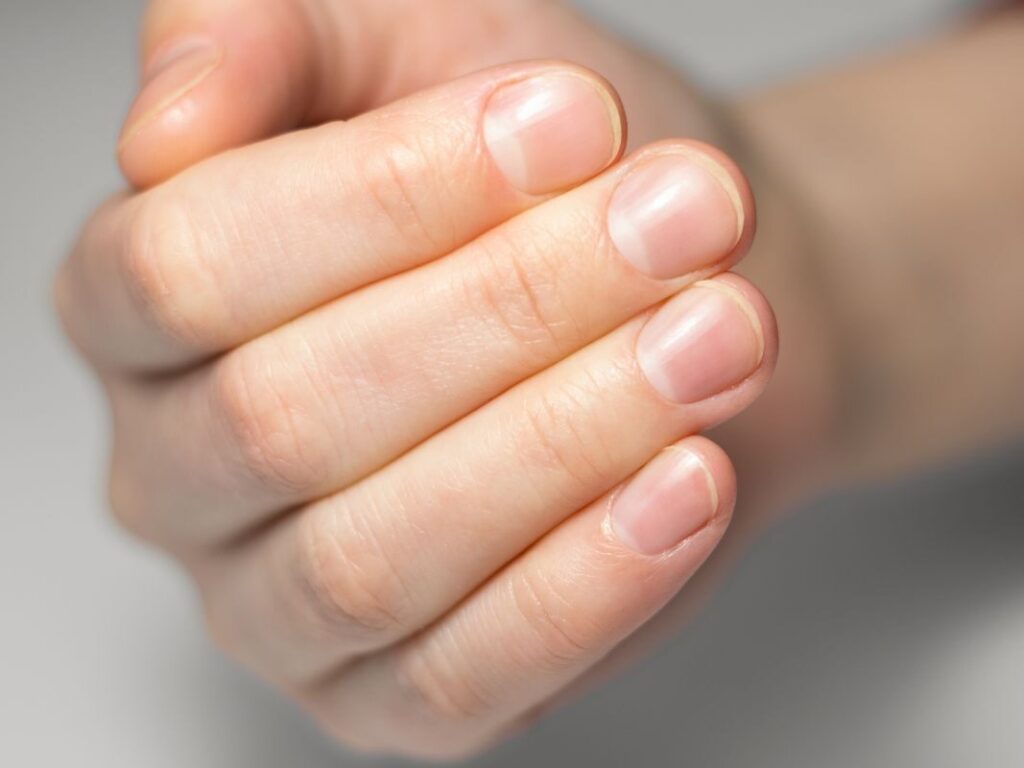
The truth is: your nails can recover, but it takes time and consistent care. Natural nails grow slowly, which means any damage you see now has to fully grow out before your nails feel strong again.
On average, fingernails grow about 1/8 inch (3 mm) per month, depending on age, health, and the season (yes, nails grow faster in summer!).
Here’s a general timeline:
If your nails are mildly thin
Maybe just a bit soft or dehydrated.
Recovery: 2–3 weeks
With consistent cuticle oil and gentle care, you’ll notice improvement fast.
If your nails are moderately damaged
Peeling, sensitivity to water, or bending when pressing on the nail.
Recovery: 4–6 weeks
You’ll start to feel a difference around week 3, but full strength takes a little longer.
If your nails are severely damaged
Layers peeling off, soreness, or the nail plate feels paper-thin.
Recovery: 8–12+ weeks
This requires a complete grow-out cycle from cuticle to tip.
If you’ve peeled product off repeatedly
This can take several months, since multiple layers of your natural nail may be missing.
But don’t worry — with gentle care, nails always grow back stronger.
A Good Rule of Thumb
If your nails look or feel damaged:
give yourself at least 3–4 weeks of protection + hydration before putting on hard enhancements again.
7 Tips to Repair Thin Nails After Removing Acrylics or Gel
These are the exact steps that helped my nails recover when they were at their weakest.
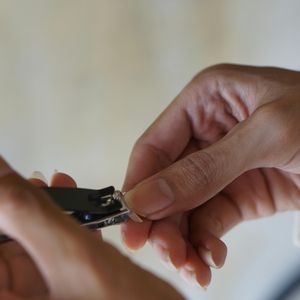
1. Cut Your Nails Short (This Helps SO Much)
Short nails bend less, which means less peeling, fewer cracks, and a safer space for your nail plate to recover. Keeping nails trimmed reduces stress on the fragile parts and prevents more layers from lifting.
Use a gentle glass nail file to shape.
2. Strengthen Smartly, Not Daily
Here’s where many people go wrong:
They apply nail strengthener every single day for months.
The problem? Some strengtheners harden your nails too much, which makes them snap instead of flex.
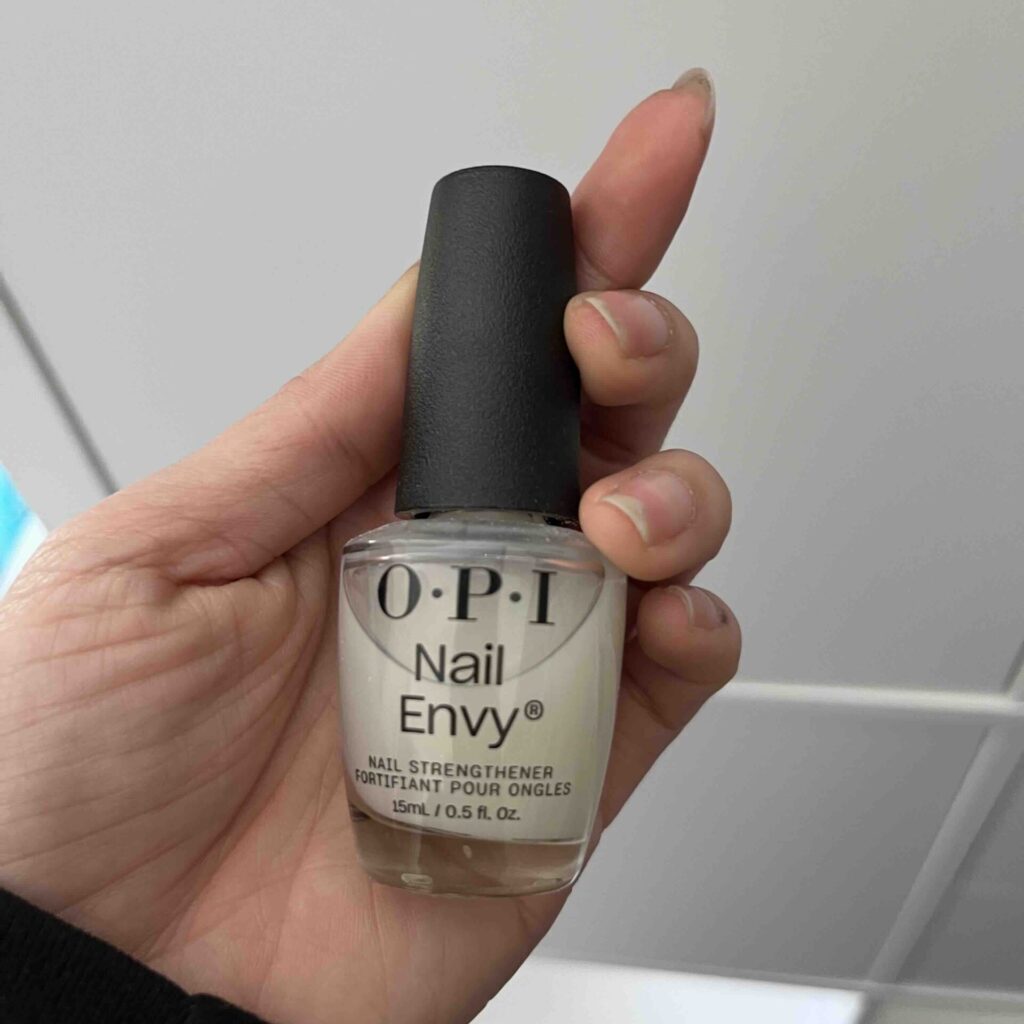
What I recommend: OPI Nail Envy
Apply 2–3 times per week, not daily.
This gives your nails just enough support without making them overly rigid.
3. Cuticle Oil Every. Single. Day.
If you only do 1 thing from this list, make it this.
Cuticle oil helps:
- Rebuild flexibility so nails bend without breaking
- Strengthen the nail plate as new growth comes in
- Prevent peeling by keeping the layers bonded
- Speed up growth by improving nail health at the root
Your nails will recover so much faster with daily oiling. My favourite oils: OPI ProSpa.
4. Hydrate With Hand Cream
Acetone + frequent hand washing = dry, tight, brittle nails.
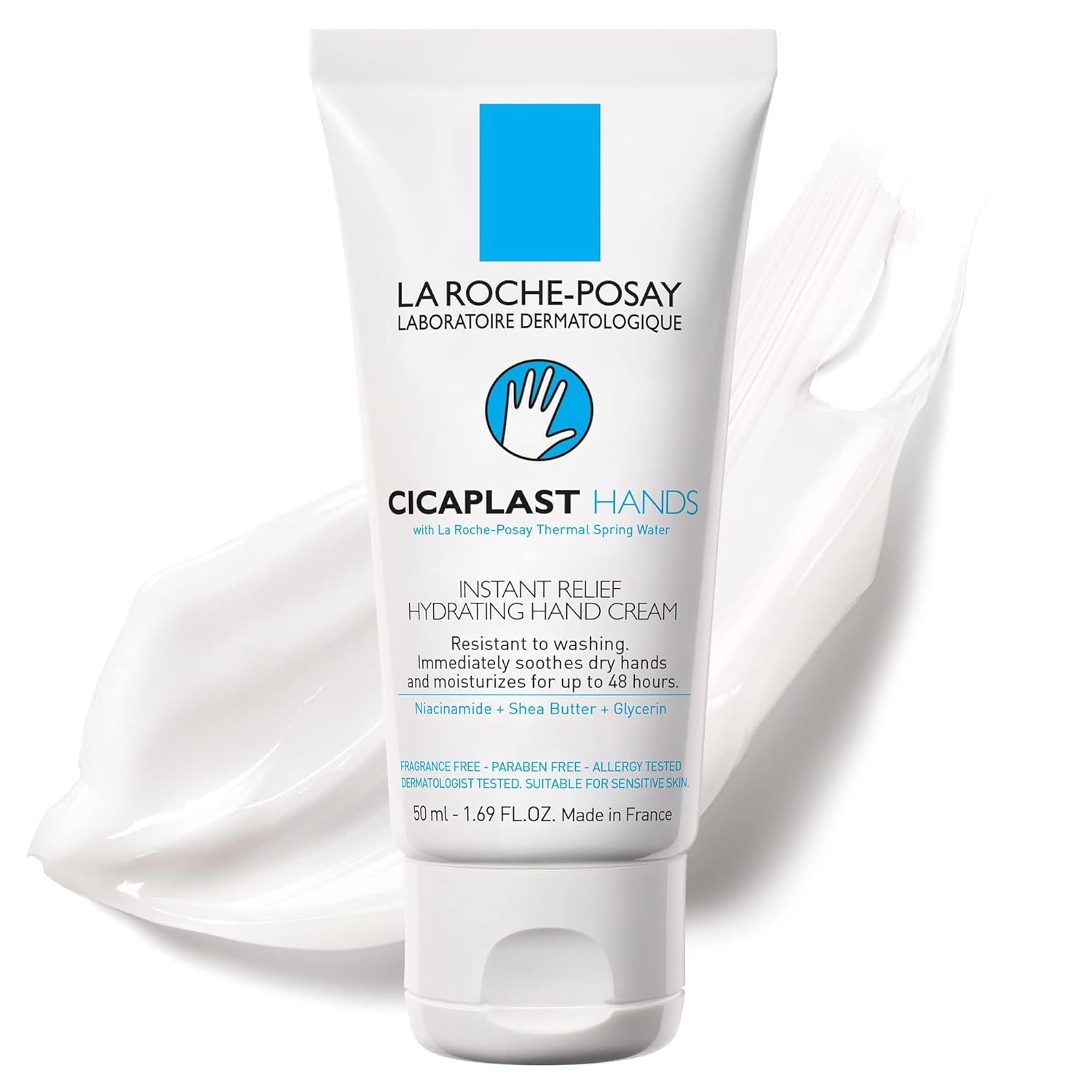
Applying hand cream after washing helps keep the nail plate flexible, which is important when your nails are thin or recovering from enhancements.
Look for creams with shea butter, glycerin, or ceramides like this La Roche-Posay Cicaplast Hand Cream.
5. Wear Gloves When Cleaning or Washing Dishes
Hot water, dish soap, and cleaning chemicals are a nightmare for thin or damaged nails.
Gloves protect your nail plate and prevent more dryness, peeling, and breakage while your nails recover.
A simple change, but it makes a huge difference.
If you looking for more nail-strengthening habits? check out: How to Strengthen Weak Nails Naturally: Tips for Healthy, Strong Nails
6. Use a Protective Base Coat Between Polishes
If you still want to wear polish while your nails are recovering, switch to a nail-friendly base coat. A good base coat adds a thin cushion of protection between your natural nail and the polish, helping prevent peeling and breakage.
Look for formulas labeled “Nail Repair,” “Strength & Grow,” or “Hydrating Base Coat.”
7. Give Your Nails a Break From Acrylics or Gel
Let your nails fully regrow before your next set, usually around 3–4 weeks, depending on how damaged they are.
Press-ons are perfect during recovery, they’re gentle, protective, and damage-free. You can browse my press-on designs here.
What NOT to Do (Very Important)
Avoid these while your nails heal:
- Don’t buff every day, this thins the nail plate even more
- Don’t peel off polish, this removes layers of your nail
- Don’t use super glue for cracks, it can trap bacteria
- Don’t use your nails as tools, no prying or scraping
- Don’t get acrylics immediately after removal, give them time to recover
These habits slow healing and can make your nails even weaker.
💌 Want more nail care tips like this?
Subscribe to my newsletter to get nail art ideas, product tips, and behind the scenes stories straight to your inbox.
Final Thoughts
Thin nails after removing acrylics or gel happen to so many of us, so don’t panic if your natural nails feel soft, bendy, or extra sensitive right now. With the right care and a little patience — your nails can recover beautifully. In fact, most people find their nails grow back even stronger once they start giving them the proper TLC.
If you’re continuing your nail-care journey, here are a few posts you’ll love:
- How to Strengthen Weak Nails Naturally: Tips for Healthy, Strong Nails
- How to Shape Your Nails at Home for Beginners
- Step-by-Step: Remove Your Gel Nails Safely at Home
- 8 Must-Have Nail Tools for a Perfect At-Home Manicure
Let me know if you try any of these tips, or if there’s something I didn’t cover. I’d love to hear how your nails recover from removal damage!
P.S. Want to see more nail care content in action? Follow me on Instagram and TikTok @thatprettynail for quick videos, nail hacks, and behind-the-scenes of my nail journey.